
Skip to content
Introductory workshop · 500 lei (fully deductible from your Brain Map)
The science behind it · Peer-reviewed · NIH / PubMed

What neuroscience says about
BM-BCI Neuronal Training.

The Veruvis® Method is built on decades of research in applied neuroscience, validated by studies published in international academic journals and supported by collaborations with globally recognized specialists. This page presents the scientific foundations — transparently, without exaggeration.
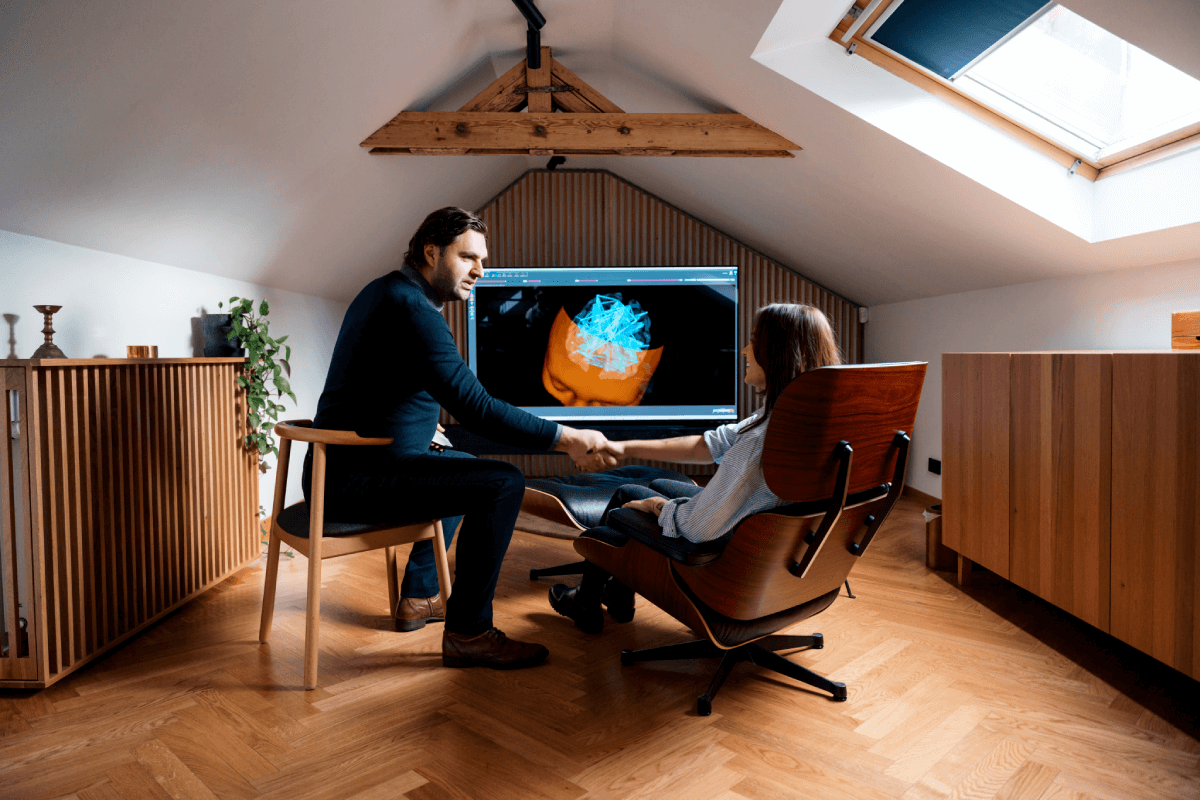
15+
peer-reviewed studies
50+
years of research
5
fields investigated
qEEG applied neuroscience · Veruvis®
PubMed · NIH · Frontiers
Academic sources
Publicly accessible peer-reviewed studies
The premise

You can't optimize something you haven't measured.

The Veruvis® Method starts from a simple premise, supported by the entire body of neuroscience literature: intervention without an objective initial assessment is at best ineffective, and at worst counterproductive. Without knowing how a specific brain works, any training protocol remains an approximation.

This is why Brain Mapping is not optional in the Veruvis® Method. It is the foundation on which everything is built.

Neuroplasticity

The biological foundation of neuronal training.

Neuroplasticity — the brain's capacity to reorganize its connections in response to repeated experiences — is the documented biological phenomenon on which the entire science of neuronal training rests. It is not a metaphor: it is a mechanism validated by decades of neuroscience research.

The concept was formally defined by Donald Hebb (1949), who formulated the principle: „neurons that fire together wire together" (Hebb's postulate). Since then, neuroplasticity has been documented in hundreds of studies published in the world's top journals.
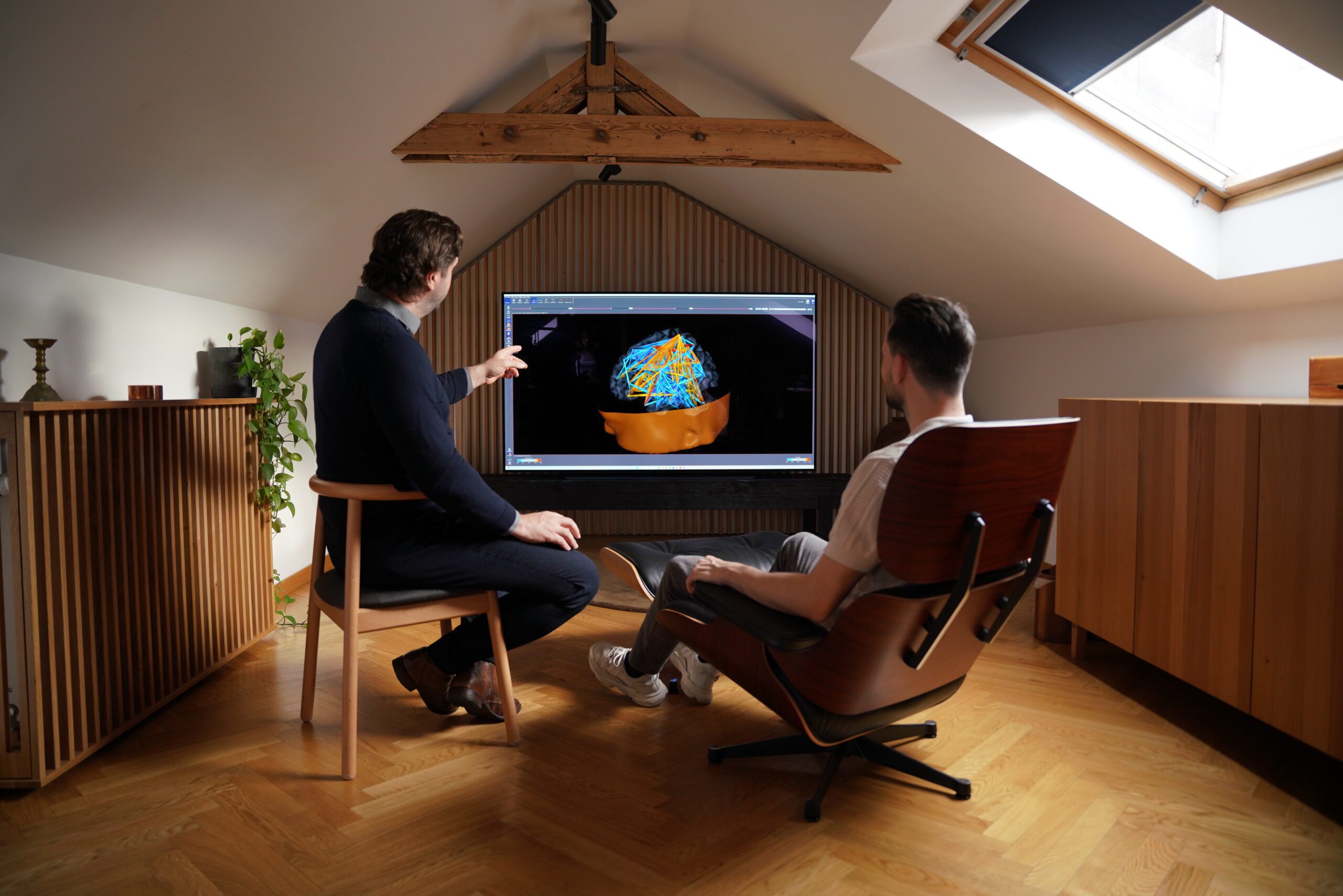
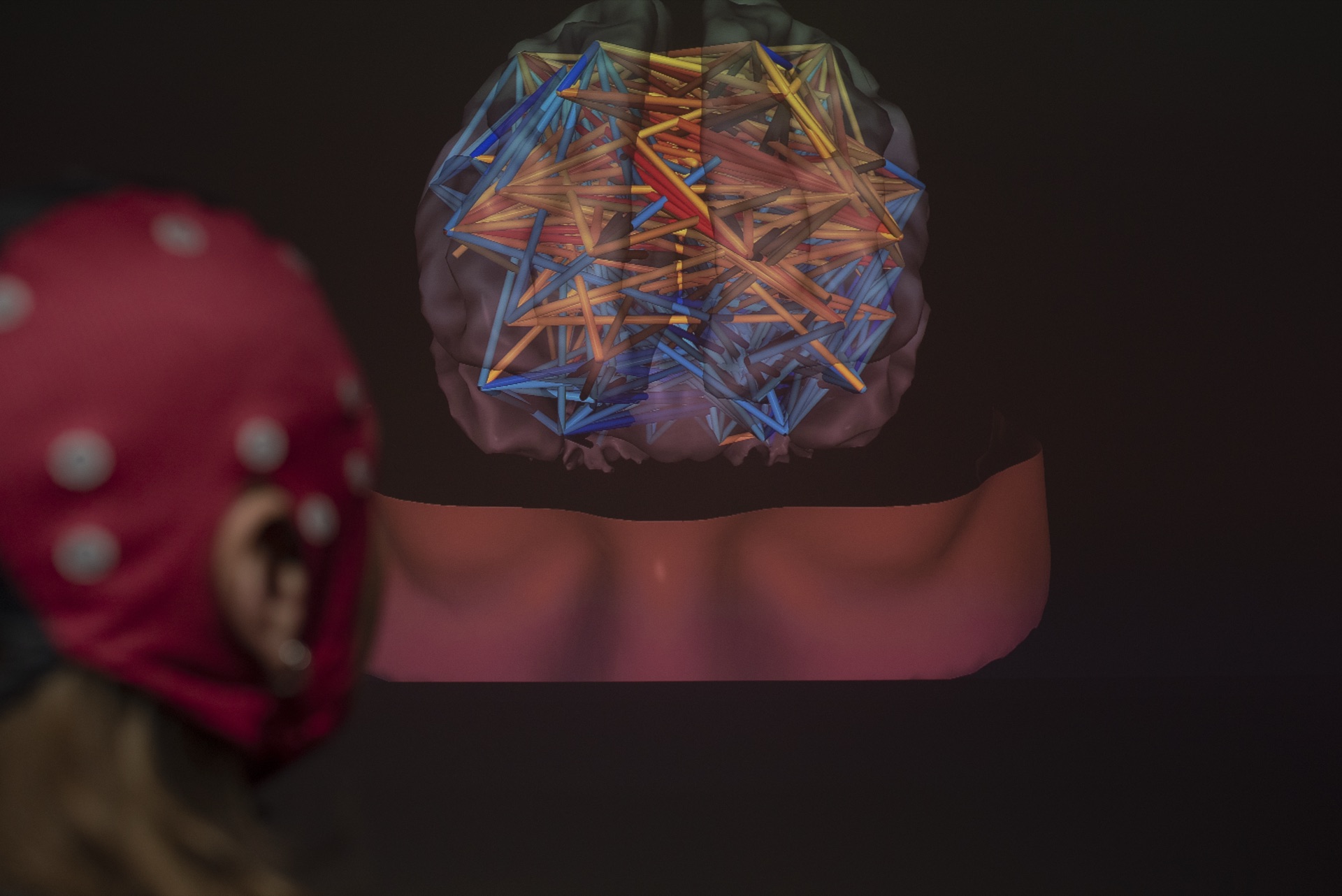
Brain mapping qEEG · brain activity recording
Hebb's postulate
„Neurons that fire together wire together."

Synaptic plasticity

The connections between neurons strengthen or weaken depending on how frequently they fire. This is the biological basis of learning and of forming new patterns.

Structural plasticity

The brain can physically alter its structure at the neuronal level. Myelination and connection density change in response to repeated stimuli.

Functional plasticity

The brain redistributes functions across regions. An underactive area can be reactivated through training protocols calibrated to the individual profile.

qEEG technology

How we see the brain in real time.

Quantitative electroencephalography (qEEG) is the technology through which the brain's electrical activity is recorded, statistically processed, and compared against international normative databases. Unlike traditional clinical EEG — used mainly to detect epilepsy — qEEG offers a detailed functional picture of how different brain regions work together.

What qEEG measures
  • The distribution of brainwave frequencies: Delta (0.5-4 Hz), Theta (4-8 Hz), Alpha (8-12 Hz), Beta (12-30 Hz), Gamma (30 Hz+)
  • Inter-regional coherence — how efficiently the different areas communicate with one another
  • Functional asymmetries between the hemispheres
  • The efficiency of executive neural networks
  • Critical ratios such as Theta/Beta — a marker documented in the ADHD literature
Why 24 sensors matter

The international 10-20 standard defines electrode placement to ensure full coverage and reproducibility. With 24 sensors, The Veruvis® Method achieves an image with significantly higher spatial resolution than the 2-, 4-, or 6-sensor systems commonly used at other centers.

The difference isn't merely technical — it's clinical: more sensors mean more data, fewer approximations, and a more precise protocol.

Neuronal Training

How the brain learns to self-regulate.

BM-BCI Neuronal Training is a form of biofeedback applied to the brain's electrical activity. Through EEG sensors, brain activity is captured in real time, processed instantly, and transformed into auditory, visual, or audiovisual feedback. When the brain produces patterns close to the optimal range, the feedback is positive — confirming and reinforcing that pattern.

The mechanism is based on operant conditioning — a principle defined by B.F. Skinner and later applied across hundreds of clinical neuronal training studies. Through repetition and consistency, effective patterns stabilize, and the brain develops a heightened capacity for self-regulation that becomes available even outside the sessions.
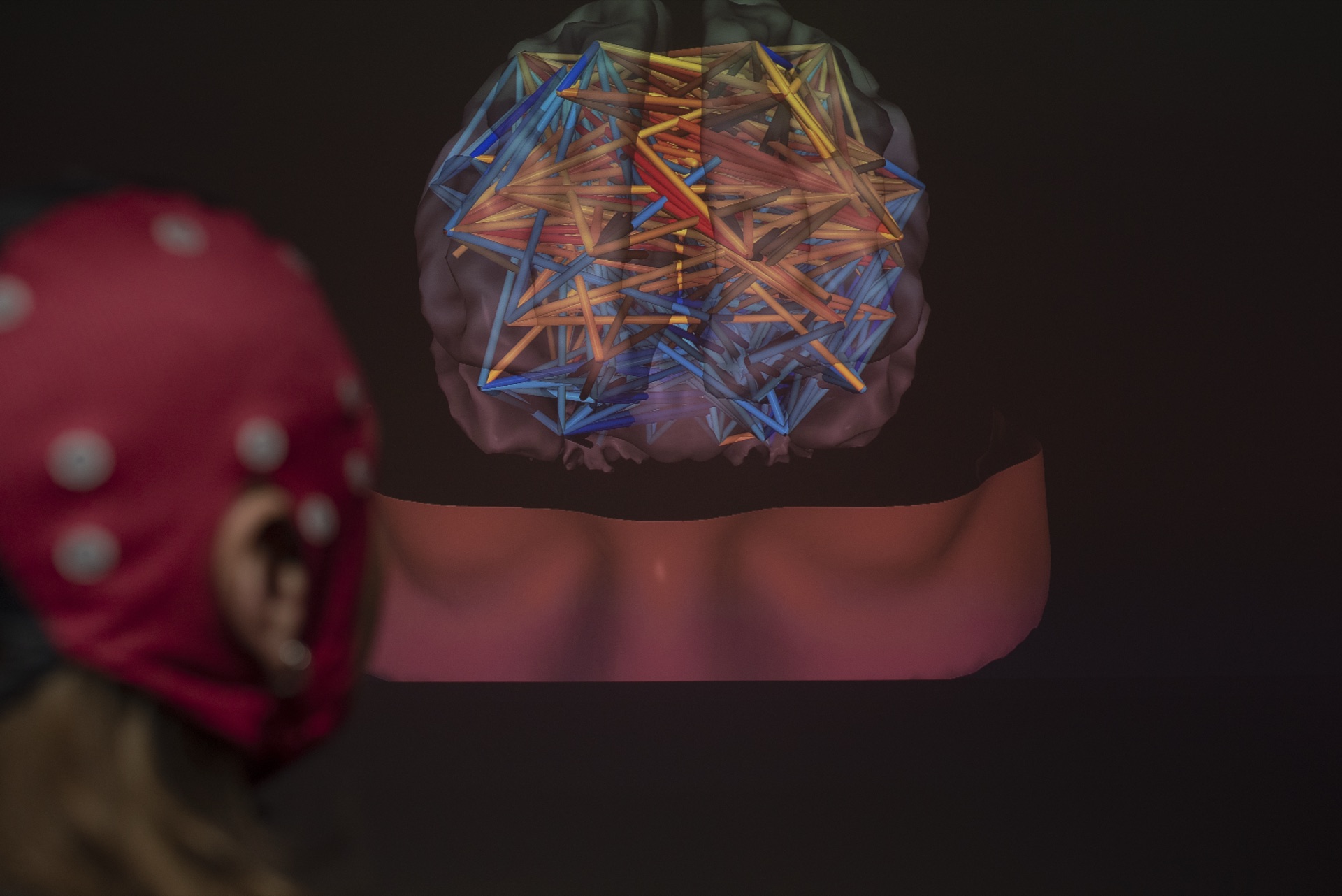
State-of-the-art technology · neuronal training
Research
50+ years
of peer-reviewed studies
A pioneer of the field

Neurofeedback has a research history spanning over 50 years, beginning with the pioneering studies of Dr. Barry Sterman (UCLA, 1960s-1970s) on the sensorimotor rhythm (SMR) — and continuing with thousands of studies published in peer-reviewed journals worldwide.

The scientific literature

Neurofeedback in international academic research.

Neurofeedback and qEEG analysis have been investigated across a wide range of contexts in the scientific literature. Below are the main areas, with references to studies published in peer-reviewed academic journals. Veruvis®'s position remains consistent: we do not treat, we do not diagnose — we present the scientific context.

ADHD and difficulty concentrating

ADHD is one of the most studied contexts for the application of neurofeedback. The Theta/Beta Ratio (TBR) has been documented as a marker of attentional dysregulation.

  • Arnold, L.E., Arns, M. et al. (2021)
    Double-blind placebo-controlled RCT of neurofeedback for ADHD with 13-month follow-up.
    Journal of the American Academy of Child & Adolescent Psychiatry, 60(7), 841-855 · PubMed PMID: 32896536
  • Arns, M. et al. (2020)
    Neurofeedback and ADHD in children: Rating the evidence and proposed guidelines.
    Applied Psychophysiology and Biofeedback, 45(2), 39-48 · Level 1 — Efficacious and Specific for SMR and TBR
  • Lee, E.J., Jung, C.H. (2017)
    Additive effects of neurofeedback on the treatment of ADHD.
    Asian Journal of Psychiatry, 25, 16-21
  • American Academy of Pediatrics (2010)
    ADHD Clinical Practice Guideline.
    Pediatrics, 128(5) · Neurofeedback rated at Level 1 — Best Support

Anxiety and chronic stress

The second most studied context. Dysregulation in the Alpha and Beta bands has been documented as a neurophysiological marker of anxiety states.

  • Tolin, D.F., Davies, C.D. et al. (2020)
    Biofeedback and Neurofeedback for Anxiety Disorders: A Systematic Review.
    Advances in Experimental Medicine and Biology, 1191, 265-289 · PubMed PMID: 32002934
  • Micoulaud-Franchi, J.A. et al. (2021)
    EEG Neurofeedback for Anxiety and PTSD: A Blueprint for Brain-Based Therapy.
    Current Psychiatry Reports, 23(12), 84 · PubMed PMID: 34714417
  • NCBI Bookshelf / NIH (2023)
    Neurofeedback and Biofeedback for Mood and Anxiety Disorders — An Update.
    National Center for Biotechnology Information (NIH)

Sleep disorders and insomnia

Brain activity in the Alpha-Theta band plays an important role in the transition into deep sleep. Protocols that aim to increase Alpha during relaxation have been investigated as interventions for sleep quality.

  • Wang, H., Hou, Y., Zhan, S. et al. (2023)
    EEG Biofeedback Decreases Theta and Beta Power While Increasing Alpha Power in Insomniacs.
    Brain Sciences, 13(11), 1542 · PubMed PMID: 38002502
  • Schabus, M. et al. (2024)
    Neurofeedback to enhance sleep quality and insomnia: systematic review and meta-analysis of RCTs.
    PMC / Frontiers in Neuroscience

Cognitive and athletic performance

A rapidly expanding field. Studies document improvements in reaction times, sustained attention, and emotional regulation under pressure.

  • Mikicin, M. et al. (2024)
    Neurofeedback Training Protocols in Sports: A Systematic Review.
    Brain Sciences, 14(10), 1036 · PMC: PMC11506327
  • Frontiers in Psychology (2024)
    Evaluating EEG neurofeedback in sport psychology: systematic review of RCT studies.
    Center for Cognitive Interaction Technology, Bielefeld University
  • Lim, C.G. et al. (2024)
    Improving Mental Skills in Precision Sports by Neurofeedback Training: A Narrative Review.
    Sports, 12(3), 70 · PMC: PMC10975073

Burnout and professional overload

Chronic stress and burnout involve a persistent hyperactivation of the sympathetic nervous system, reflected in specific EEG patterns.

  • PMC / Journal of AANP (2024)
    The effectiveness of microcurrent neurofeedback on depression, anxiety, PTSD, and quality of life.
    PMC10836789 · Open access
International Mentor

Dr. Wesley Center — the direct mentor of Dr. Costin Dămășaru, PhD candidate, Psychologist.

The professional training of Dr. Costin Dămășaru, PhD candidate, Psychologist in qEEG and neuronal training was guided directly by Dr. Wesley Center, PhD, QEEG-DL, BCN Fellow — one of the most respected experts in qEEG-guided neurofeedback in the United States. This mentoring relationship is not a bibliographic reference — it is a direct transfer of expertise.

Dr. Center is President and Clinical Director of Brain & Behavior Associates (North Texas, USA) and Chief Science and Technology Officer for OCAT Neurotech, LLC. As a BCIA Approved Mentor, he is officially authorized to train and certify other neurofeedback specialists internationally.
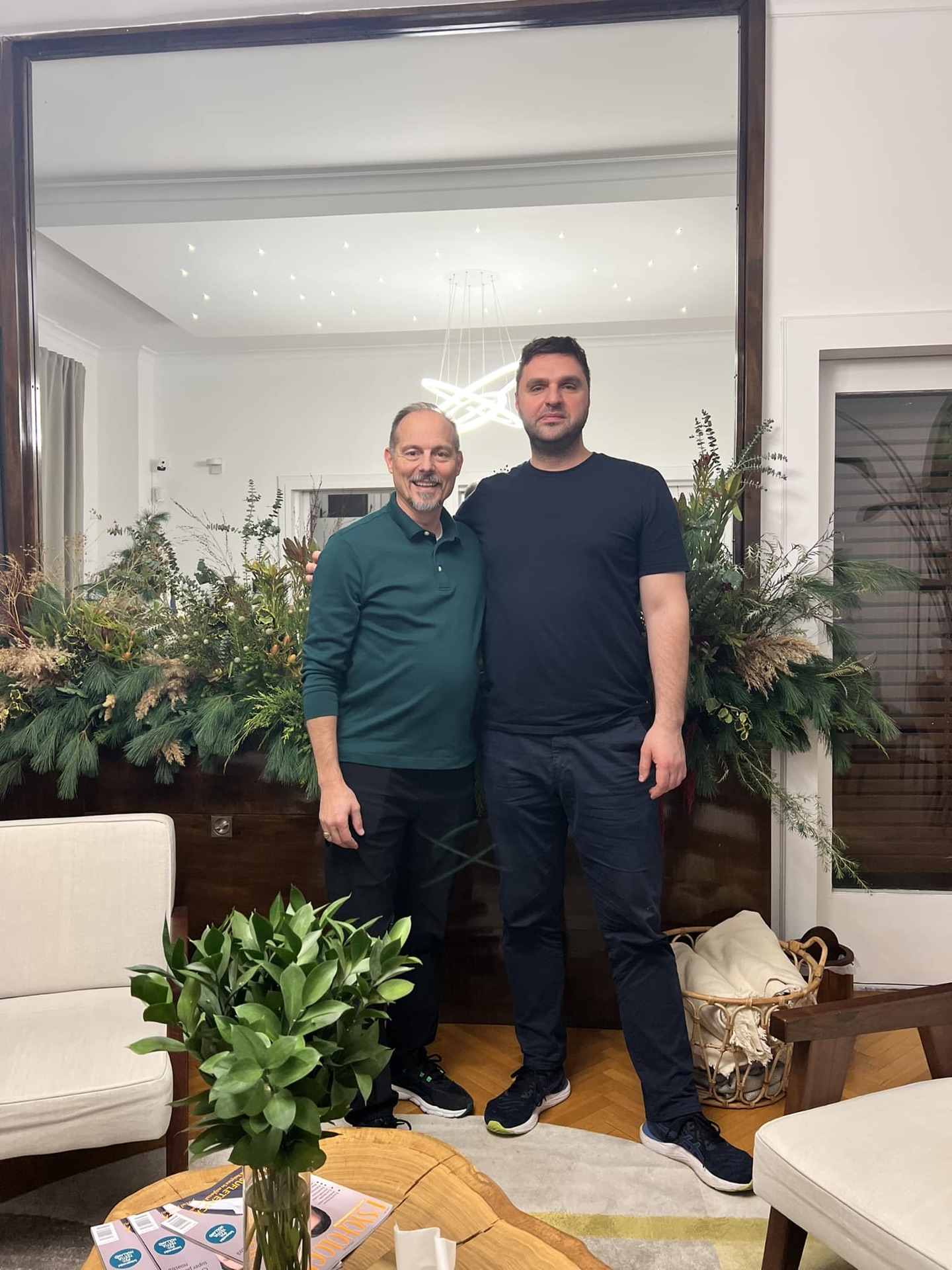
Dr. Wesley Center alongside Dr. Costin Dămășaru, PhD candidate, Psychologist
Direct mentor
Dr. Wesley Center & Dr. Costin Dămășaru, PhD candidate, Psychologist
Dr. Wesley Center's Credentials
  • PhD in Psychology and Counseling — Southwestern Baptist Theological Seminary
  • QEEG Diplomate (QEEG-DL) — an advanced qualification in the interpretation of qEEG data
  • Board Certified Fellow in Neurofeedback (BCIA)
  • BCIA Approved Mentor — officially trains and certifies other neurotherapists
  • U.S. Marine Corps Veteran — Major, 20+ years of active service, Gulf War 1990-1991
  • Certified Amen Method Professional
Scientific & clinical activity
  • Active research: qEEG studies in Irlen Syndrome, ADHD, and forensic applications in the justice system
  • Adjunct Professor: Hill College, Liberty University, Southwestern Baptist Theological Seminary
  • Scientific consultant for Neuronic — neuronic.online
  • Speaker at the Neurotherapy Conference — a leading annual conference
  • Member: Society for Brain Mapping and Therapeutics, ISNR (International Society for Neuroregulation and Research)

The expertise passed on through this direct relationship is reflected in how the neuronal training protocols at Veruvis® are built, calibrated, and interpreted.

Straight from the source

Dr. Wesley Center at the Veruvis® headquarters.

At its own headquarters, Veruvis® produced a series of educational videos with Dr. Wesley Center, in which he explains the fundamental concepts of qEEG and neurofeedback in accessible language. Available exclusively on this site.

Video 1
Video 1

What does a perfect brain look like?

Dr. Wesley Center explains what a „perfect brain" means in his view and how neuronal training can help achieve this state.

Video 2
Video 2

What can the brain map tell us?

What information the brain map can give us about how the brain itself actually works.

Video 3
Video 3

About neuromodulation

About the brain's capacity to change and how we can set that process in motion with the help of neuronal training.

EEG Hyperscanning

Inter-brain synchronization — what academic research says.

EEG hyperscanning — the simultaneous recording of the brain activity of multiple people during social interaction — is a rapidly expanding field of research in social neuroscience. Studies document the phenomenon of inter-brain synchronization (inter-brain synchrony) in contexts of collaboration, communication, and shared action.

Czeszumski, A. et al. (2020)
Hyperscanning: A Valid Method to Study Neural Inter-brain Underpinnings of Social Interaction.
Frontiers in Human Neuroscience · comprehensive review
Hakim, U. et al. (2023)
Quantification of inter-brain coupling: A review of current methods in hyperscanning studies.
NeuroImage, 280, 120354 · major methodological reference
Oxford Academic (2024)
A practical guide to EEG hyperscanning in joint action research: from motivation to implementation.
Social Cognitive and Affective Neuroscience, nsae026 · Oxford University Press
Valencia, A.L., Froese, T. (2020)
What binds us? Inter-brain neural synchronization and its implications for theories of human consciousness.
Neuroscience of Consciousness, niaa010
Egregora™ by Veruvis®

The Egregora™ program applies the principles of synchronized EEG hyperscanning within a collective training framework, combining inter-brain coherence analysis with systemic contextualization. One of the first operational implementations of neuro-constellations with synchronized EEG internationally.

Clear positioning

What The Veruvis® Method is and is not.

Clarity is part of The Veruvis® Method. We make no exaggerated claims and we don't sell hope. This section exists so that every visitor understands exactly what Veruvis® offers and what it does not.

Veruvis® IS:
  • A system for optimizing neuronal self-regulation through non-invasive methods
  • An approach grounded in objective data (qEEG) and real-time feedback
  • A personalized training framework, built on each individual's neuronal profile
  • A complementary method, not an alternative to medical treatments
  • A cognitive optimization and self-regulation service, not a medical treatment
×
Veruvis® IS NOT:
  • × A medical center or clinic
  • × A provider of medical diagnoses
  • × An alternative to psychiatric or neurological consultation
  • × A medical or pharmacological therapy
  • × A service that promises to cure any condition

The citations from the scientific literature presented on this page illustrate the scientific context within which the Veruvis® methodology sits. Mentioning a field (e.g., ADHD, anxiety) is not a claim that Veruvis® treats that condition, but that neurofeedback has been investigated in that context in academic research. We always recommend consulting a medical specialist for diagnosed conditions.

Bibliography

Peer-reviewed academic sources.

All of the sources below are published in peer-reviewed academic journals and are publicly accessible through PubMed (NIH), PMC, or the journals' own websites.

#1 Arns, M. et al. (2020)
Neurofeedback and ADHD in children: Rating the evidence and proposed guidelines
Applied Psychophysiology and Biofeedback, 45(2), 39-48
doi.org/10.1007/s10484-020-09455-2
#2 Arnold, L.E., Arns, M. et al. (2021)
Double-blind placebo-controlled RCT of neurofeedback for ADHD with 13-month follow-up
Journal of the American Academy of Child & Adolescent Psychiatry, 60(7), 841-855
doi.org/10.1016/j.jaac.2020.07.906
#3 Tolin, D.F. et al. (2020)
Biofeedback and Neurofeedback for Anxiety Disorders: A Systematic Review
Advances in Experimental Medicine and Biology, 1191
PubMed PMID: 32002934
#4 Micoulaud-Franchi, J.A. et al. (2021)
EEG Neurofeedback for Anxiety and PTSD: A Blueprint for Brain-Based Therapy
Current Psychiatry Reports, 23(12), 84
PubMed PMID: 34714417
#5 Wang, H. et al. (2023)
EEG Biofeedback Decreases Theta and Beta Power in Insomniacs
Brain Sciences, 13(11), 1542
PubMed PMID: 38002502 · PMC Free
#6 Mikicin, M. et al. (2024)
Neurofeedback Training Protocols in Sports: A Systematic Review
Brain Sciences, 14(10), 1036
PMC11506327
#7 Frontiers in Psychology (2024)
Evaluating EEG neurofeedback in sport psychology: systematic review of RCT studies
Frontiers in Psychology
frontiersin.org
#8 Lim, C.G. et al. (2024)
Improving Mental Skills in Precision Sports by Neurofeedback Training: A Narrative Review
Sports, 12(3), 70
PMC10975073
#9 Czeszumski, A. et al. (2020)
Hyperscanning: A Valid Method to Study Neural Inter-brain Underpinnings of Social Interaction
Frontiers in Human Neuroscience
frontiersin.org
#10 Hakim, U. et al. (2023)
Quantification of inter-brain coupling: A review of current methods in hyperscanning
NeuroImage, 280, 120354
nature.com
#11 Oxford Academic (2024)
A practical guide to EEG hyperscanning in joint action research
Social Cognitive and Affective Neuroscience, nsae026
academic.oup.com/scan
#12 Valencia, A.L., Froese, T. (2020)
Inter-brain neural synchronization and implications for theories of human consciousness
Neuroscience of Consciousness, niaa010
nature.com
#13 American Academy of Pediatrics (2010)
ADHD Clinical Practice Guideline
Pediatrics, 128(5)
Level 1 — Best Support
#14 NCBI Bookshelf / NIH (2023)
Neurofeedback and Biofeedback for Mood and Anxiety Disorders: An Update
NCBI / NIH
ncbi.nlm.nih.gov/books/NBK253820
#15 PMC (2024)
The effectiveness of microcurrent neurofeedback on depression, anxiety, PTSD, and quality of life
PMC10836789
pmc.ncbi.nlm.nih.gov
Frequently asked questions

Questions about the scientific foundations.

The most common questions about the scientific basis of The Veruvis® Method.

Call a consultant
Does neurofeedback have a scientific basis? +
Yes. Neurofeedback has a research history spanning more than 50 years. Studies published in international peer-reviewed journals (PubMed/NIH, Nature, Frontiers, SpringerLink) have investigated its effects in contexts such as ADHD, anxiety, sleep disorders, and cognitive performance. The American Academy of Pediatrics has rated it Level 1 — Best Support for pediatric ADHD.
What is qEEG and why does it matter? +
Quantitative electroencephalography (qEEG) is the technology that records and statistically processes the brain's electrical activity, comparing it against international normative databases. Unlike traditional clinical EEG, qEEG provides a detailed functional picture of how different brain regions work and communicate — the foundation for building a personalized neuronal training protocol.
How is this different from an MRI or a clinical EEG? +
MRI analyzes the brain's anatomical structure. Clinical EEG detects abnormal electrical activity (epilepsy, brain trauma). qEEG analyzes brain function — how it works, how efficiently, and where activation imbalances exist. These are complementary tools with different purposes.
What is EEG hyperscanning and how does it relate to Egregora? +
EEG hyperscanning is the simultaneous recording of the brain activity of several people while they interact. Recent research (Hakim et al., 2023; Czeszumski et al., 2020) documents the phenomenon of inter-brain synchronization in collaborative contexts. The Egregora™ by Veruvis® program applies these principles within a collective training framework using synchronized EEG.
Does Veruvis® treat ADHD, anxiety, or other conditions? +
No. Veruvis® is not a medical center and does not provide medical treatments or diagnoses. The citations from the specialized literature illustrate the scientific context in which our methodology sits. Mentioning a field (e.g., ADHD) is not a therapeutic claim but a reference to academic research. We always recommend consulting a medical specialist for diagnosed conditions.
The first step

Science explains why it works.
Your Brain Map shows how your brain works.

All the protocols described on this page are applied in The Veruvis® Method starting from the real data of your brain, not from statistical generalizations. The first step is always measurement.
Brain Mapping qEEG · Veruvis®

All cited sources are peer-reviewed and publicly accessible. Veruvis® is not a medical center.